A popular belief among many is that police must always read Miranda rights during an arrest. It’s not difficult to understand how this misconception became widespread when American TV shows like “Law & Order” have depicted the process this way repeatedly. However, that’s simply for entertainment purposes. In reality, the law is much more specific about how these rights apply.
Miranda rights are vital to every individual’s freedom in America, regardless of citizenship or legal status. Originating from the Supreme Court case Miranda v. Arizona, the 1966 ruling established that officers of the law are required to inform citizens of their Miranda rights prior to questioning or interrogation. The purpose of this requirement is to inform or remind a person of their:
– Fifth Amendment right to refuse to answer self-incriminating questions.
– Sixth Amendment right to legal representation.
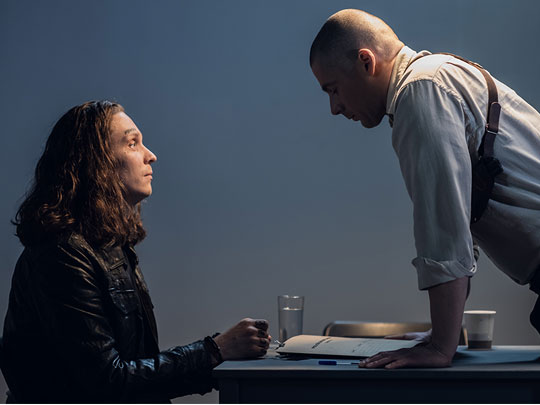 The law is intended to protect suspects from being coerced into divulging incriminating information while being questioned by law officials.
In California and throughout the United States, Miranda warnings are only required before a custodial interrogation. This means a person must meet two conditions at the same time: being in custody and under questioning.
Custody generally means a reasonable person would not feel free to leave. Aside from the most obvious example – formal arrest – custody can occur when an individual is in certain restrained situations (being held in an interrogation room, for instance). Interrogation refers to direct questioning or actions by police that are likely to produce incriminating statements.
If police question someone who is not in custody, Miranda rights are typically not required. Likewise, if someone is in custody, but officers are not interrogating them, warnings may not be necessary.
Understanding this distinction is critical because many criminal cases hinge on whether a person should have been read their Miranda rights prior to their statement being obtained.
COMMON MISCONCEPTIONS
One of the most common misunderstandings in criminal cases involves traffic stops. During a routine traffic stop, drivers are usually not considered in custody because the stop is temporary and investigative in nature. Officers can ask basic questions without addressing Miranda rights, and any voluntary statements made during this time may still be used in court.
Another misconception is that reading Miranda rights must happen immediately upon arrest. According to the law, officers only need to provide a warning before beginning a custodial interrogation. If questioning occurs later at a police station, that is typically when the warning is required.
Courts rely on what is known as the custody test to determine whether Miranda protections apply. This test evaluates how a reasonable person in the suspect’s position would feel. Factors can include physical restraints, location, duration of questioning, and officer conduct. Because this analysis is based specifically on the facts of each and every case, two people in similar situations can experience two different legal outcomes.
People also mistakenly believe that if Miranda rights are not read, charges automatically get dismissed. In fact, failure to give Miranda warnings usually impacts only the admissibility of statements, not whether a case can proceed at all.
SUPPRESSING STATEMENTS
If law enforcement obtains statements without giving required Miranda warnings, a defense attorney may argue that those statements were taken in violation of constitutional protections. These are often called Miranda violations.
Attorneys can file suppression motions asking the court to prevent prosecutors from using improperly obtained statements at trial. If successful, the court may order exclusions of those statements from evidence. This can significantly weaken the prosecution’s case, especially if the statements were central to proving guilt.
However, suppression is not automatic. Prosecutors may argue that the suspect was not actually in custody, that no interrogation occurred, or that an exception applies. Courts will review the facts carefully before deciding whether statements should be excluded.
Facing criminal charges can bring severe penalties and life-altering consequences if they result in a conviction. Anyone in this position should understand how powerful statement evidence can be. If you believe your rights were violated, seeking immediate legal counsel from a criminal defense attorney is crucial. An experienced lawyer specializing in criminal law can evaluate whether Miranda rules were followed and determine whether suppression motions may apply.
If you have questions about Miranda warnings, your legal options, or how statement evidence might affect your case, don’t wait to secure the legal representation you need. Contact us at Stein Defense today for a free consultation and discuss how to protect your rights and build the strongest possible defense in your case.