
Yes — and They Hurt Cases Every Day
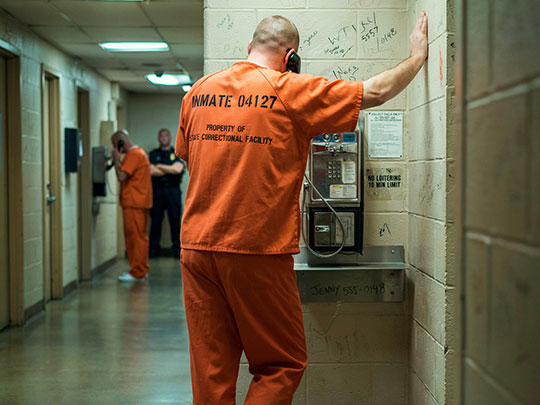
Have you been booked in jail? Before you make a call, you need to know most jail calls are recorded and monitored.
Prosecutors routinely request and use these recorded conversations to build their case. You may think a conversation with a friend or family member is private, but anything you say can be used against you in court. Jail calls can even be used when charges are pending.
A jail call doesn’t have to include a direct confession to hurt your case. A casual comment or harmless statement can be taken out of context and used to support the prosecution’s case.
But once your words are recorded, there’s no taking them back.
How Calls Are Used
When you’re booked in jail, you’re warned that phone calls will be recorded. Jail systems use automated messages like: “This call is subject to monitoring and recording.”
Once you hear (or read) that warning, you waive your right to privacy. Continuing your call counts as legal consent — you have no right to privacy on your calls.
While prosecutors can and will use the recorded audio in court, calls with your defense attorney are protected. However, the phone number you use must be cleared through the jail system first.
What You Should and Shouldn’t Say
Prosecutors listen for more than straightforward admissions of guilt. They look for statements they can use to contradict your testimony and destroy your credibility.
When you call home, keep your conversation brief and limited. Let your family know you’re safe and ask them to contact a lawyer if you don’t already have one.
Most importantly, avoid discussing:
- What happened during your arrest
- Your version of events or any evidence
- Intent or motive
- Witness tampering
- Violations of bond or no-contact conditions
- What you told the police
If you’re not sure something is safe to say, don’t say it. It’s always better to stay silent than give prosecutors something they can use against you.
How to Protect Yourself
Jail calls can be hard to refute. They’re timestamped, easy to replay, and can be taken out of context. All it takes is one recorded call to undermine your defense strategy and give prosecutors leverage in a plea negotiation.
The safest rule is to assume everything you say is recorded. That means keeping your legal discussions limited to attorney contact only. If a family member or friend brings up your arrest, don’t take the bait and start explaining. Simply tell them there are no facts you can discuss on the phone.
Are you facing criminal charges or believe your jail calls may be used against you? Contact a criminal defense attorney like David A. Stein immediately. David Stein can challenge the chain of custody, file a motion to suppress calls, and build a strategy that protects your rights.
Remember, the only truly private conversation is the one between you and your lawyer. The less you say on a jail phone, the less prosecutors can use later.